







How Do Appetite Control Supplements Aid Weight Loss?
Authored by
The Evolv Research Team
What Are Appetite Control Supplements
Appetite control supplements are dietary products designed to help reduce hunger, increase feelings of fullness, or make portion control easier. Rather than relying purely on willpower, they work by supporting the biological systems that regulate appetite.
In simple terms, these supplements help your body recognize when it has had enough food. Some do this by creating physical fullness in the stomach. Others work by supporting the natural signals between the gut and the brain that influence hunger and satisfaction.
The effectiveness of an appetite control supplement depends less on marketing claims and more on how it works in the body and how long its effects last.
How Appetite Control Supplements Work in the Body
To understand whether these supplements actually help with weight loss, it’s important to look at their mechanisms, not just their labels.
Most appetite control supplements influence appetite in one or more of the following ways:
- Satiety signaling: supporting the body’s natural “I’m full” messages to the brain
- Hormonal regulation: influencing hunger and fullness hormones such as ghrelin and leptin
- Gut-brain communication: improving how signals travel from the digestive system to the brain, including through pathways like the vagus nerve
Put simply, effective appetite control supplements work by strengthening or clarifying the same biological signals your body already uses to regulate eating.
Hormonal pathways that regulate hunger and fullness
One of the most important appetite-regulating hormones is GLP-1. GLP-1 is released by the gut after eating and plays a central role in:
- Signaling fullness to the brain
- Slowing digestion so meals feel more satisfying
- Supporting a balanced blood sugar response
Activating GLP-1 pathways reduces appetite and helps people feel satisfied with smaller amounts of food. This pathway is well-established in metabolic science and is also the focus of several prescription weight-management medications.
Neurotransmitters and appetite
Some supplements influence neurotransmitters such as serotonin or norepinephrine, which affect mood and feelings of satisfaction. These mechanisms can support appetite control in certain cases, particularly when emotional or stress-related eating is a factor, but they are generally secondary to hormonal pathways like GLP-1.
Gut-brain signaling and “food noise”
The gut constantly sends information to the brain about food intake. When these signals are weak or disrupted, people may experience persistent thoughts about food, often referred to as “food noise,” even after eating enough.
Some appetite control supplements help reduce this by improving how fullness signals are generated or interpreted, making appetite feel calmer and more manageable without forcing restriction.
Types of Appetite Control Supplements
Understanding the main categories makes it easier to choose the right approach.
| Type | How It Works | Typical Duration |
|---|---|---|
| Stimulant-based | Increases energy and metabolic rate | Short-term |
| Fiber-based | Creates physical fullness in the stomach | Meal-specific |
| Pathway-activating | Supports natural satiety hormones | More sustained |
Stimulant-based thermogenic supplements
These products use ingredients such as caffeine, green tea extract, or capsaicin.
- How they work: raise energy expenditure and temporarily blunt hunger
- Limitations: tolerance develops quickly, effects fade, and side effects like jitters or sleep disruption are common
They do not directly regulate appetite signaling and are difficult to sustain long term.
Fiber-based supplements
Fibers such as glucomannan or psyllium absorb water and expand in the stomach.
- How they work: physical fullness reduces how much you eat at a meal
- Limitations: effects depend on timing, hydration, and consistency; they do not influence hormonal appetite pathways
These can be useful tools but tend to have narrow, meal-by-meal effects.
Pathway-activating supplements
Pathway-activating supplements are designed to support the body’s own appetite regulation systems, particularly hormonal signals like GLP-1.
Biomimetics are a category defined by Evolv to describe dietary supplements built around this concept. They are natural, orally consumed supplements designed to engage biological signaling pathways with more precision than traditional formulations.
A concrete example
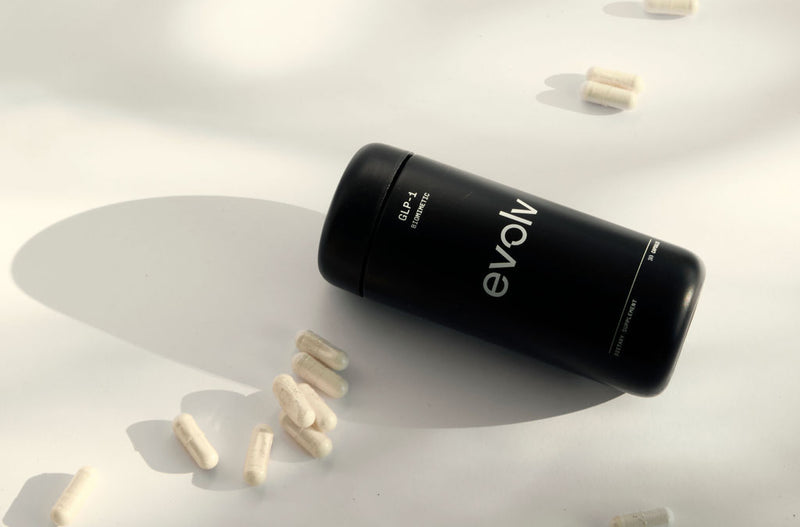
Evolv GLP-1 is one specific biomimetic dietary supplement within this category.
- It uses a proprietary, yeast-derived peptide to support natural GLP-1 pathway activation
- It is designed for sustained appetite regulation rather than brief suppression
- It avoids stimulants and is formulated for daily use
This illustrates how pathway-activating supplements differ from older appetite suppressants that rely on stimulation or physical bulk alone.
GLP-1 Activation vs Stimulant-Based Appetite Suppression
- Stimulants: temporarily mask hunger by increasing energy
- GLP-1 pathway support: helps the body naturally feel satisfied
GLP-1-based approaches focus on appetite regulation at its source, rather than pushing metabolism harder for short periods.
Do Appetite Control Supplements Actually Aid Weight Loss?
They can, when the mechanism aligns with the problem being addressed.
- Short-acting stimulants may reduce appetite briefly but rarely support lasting change
- Fiber can help with portion size but does not alter hunger signaling
- Pathway-activating supplements that support hormonal regulation tend to offer more consistent appetite control when used over time
The strongest outcomes occur when supplements are used alongside balanced nutrition, movement, and sleep, rather than as stand-alone solutions.
Who May Benefit from Appetite Control Supplements
These supplements may be useful for adults who:
- Experience persistent hunger or cravings
- Struggle with portion control or constant food thoughts
- Want non-pharmaceutical appetite support
- Are already working on diet and activity habits
Anyone with medical conditions, or who is pregnant, nursing, or taking medications, should consult a healthcare professional before use.
Safety Considerations
- Dietary supplements are regulated differently than prescription drugs
- Ingredient transparency and quality matter
- Stimulant-heavy products tend to carry higher side-effect risk
- Always follow recommended dosing and introduce new supplements gradually
OTC Supplements vs Prescription Appetite Suppressants
| Factor | OTC Supplements | Prescription Medications |
|---|---|---|
| Access | No prescription | Medical supervision |
| Strength | Supportive | Clinically intensive |
| Side effects | Often milder | Can be significant |
| Use case | Lifestyle support | Medical treatment |
Pathway-activating supplements aim to offer meaningful appetite support without the barriers associated with prescription drugs.
What to Expect When Starting an Appetite Control Supplement
- Appetite changes often build gradually with consistent use
- Mild adjustment periods are normal
- Results are strongest when paired with healthy habits
- Consistency matters more than intensity
The Future of Appetite Regulation
Modern appetite control is moving away from short-term suppression and toward biologically informed regulation. Advances in molecular and nutritional science are making it possible to design supplements that work with the body’s own signaling systems.
Evolv’s biomimetic approach to GLP-1 activation is one example of how this shift is unfolding, reflecting a broader move toward more precise, sustainable appetite support.
FAQs
How long does it take for appetite control supplements to work?
Timing varies by mechanism. Some effects are noticeable early, while others build with consistent use over weeks.
Can appetite control supplements be taken with medications?
Consult a healthcare provider before combining supplements with prescription medications.
Do appetite control supplements cause muscle loss?
They do not directly, but maintaining adequate protein intake and resistance exercise is important during weight loss.
Are natural appetite suppressants as effective as prescription options?
Effectiveness depends on the mechanism and formulation. Natural, science-backed supplements can provide meaningful support, but they serve different use cases than prescription drugs.