







Best Appetite-Suppressing Supplements for Reducing Food Cravings in 2026
Authored by
The Evolv Research Team
What Are Appetite-Suppressing Supplements
Appetite-suppressing supplements are dietary products designed to reduce hunger, curb cravings, or increase feelings of fullness. Some do this mechanically, others metabolically, and a newer class works by supporting the body’s own appetite-regulating signals.
This guide focuses exclusively on non-prescription supplements—options available without medical supervision. The key difference between them isn’t branding or hype, but how they interact with human biology and how long their effects last.
How Supplements Reduce Appetite and Cravings
Not all appetite supplements work the same way. Understanding the mechanism matters more than the ingredient list.
The main biological routes include:
- Satiety signaling: enhancing fullness signals that naturally limit intake
- Blood sugar stability: reducing glucose swings that drive cravings
- GLP-1 pathway activation: supporting hormonal signals that tell the brain you’ve eaten enough
- Neurotransmitter support: influencing brain chemistry tied to mood and stress-related eating
Each approach has different strengths and limits.
Increasing Satiety Signals
Satiety is the feeling that you’ve eaten enough. Fiber-based supplements increase stomach volume, triggering stretch receptors that signal fullness to the brain. This can reduce portion size, but the effect is mechanical and short-lived, dependent on timing and hydration.
Stabilizing Blood Sugar Levels
Rapid rises and falls in blood sugar often trigger cravings—especially for quick carbohydrates. Supplements that support glucose stability help reduce these swings, making appetite easier to manage between meals.
Activating GLP-1 and Related Pathways
GLP-1 is a hormone released after eating. It signals fullness, slows digestion, and supports healthy blood sugar response. This pathway is central to appetite regulation and is the same biological system targeted by prescription medications—though supplements engage it differently.
Supporting Neurotransmitters That Regulate Hunger
Neurotransmitters like serotonin influence appetite, mood, and impulse control. Some supplements support these systems, which can help reduce emotional or stress-driven eating. This is typically supportive, not sufficient on its own.
Best Supplements to Curb Appetite and Reduce Cravings
Below are commonly used, non-prescription options, grouped by mechanism—not hype.
| Supplement | Primary Mechanism | Stimulant-Free | Best For |
|---|---|---|---|
| Glucomannan | Stomach expansion | Yes | Pre-meal fullness |
| Chromium picolinate | Blood sugar support | Yes | Carb cravings |
| 5-HTP | Serotonin support | Yes | Emotional eating |
| Protein powder | Satiety hormones | Yes | Meal control |
| Soluble fiber | Slowed digestion | Yes | General appetite support |
| Berberine | Glucose metabolism | Yes | Blood sugar stability |
| Green tea extract | Mild stimulation | No | Short-term use |
| CLA | Metabolic signaling | Yes | Lifestyle support |
| GLP-1–activating biomimetics | Hormonal pathway support | Yes | Sustained appetite regulation |
Glucomannan
A soluble fiber that expands in the stomach when taken with water. It can reduce meal size but requires precise timing and hydration. Effects are immediate but do not compound over time.
Chromium Picolinate
Supports insulin function and may reduce carb cravings in people with blood sugar swings. Effects are modest and context-dependent.
5-HTP
Supports serotonin production, which may reduce emotionally driven eating. Best used cautiously and not alongside medications that affect serotonin without guidance.
Protein Powder
One of the most reliable appetite tools. Protein reduces ghrelin (the hunger hormone) and increases satiety hormones, making it easier to eat less without feeling deprived.
Fiber Supplements
Psyllium, inulin, and similar fibers slow digestion and increase fullness. Useful as support, but effects depend heavily on consistency and hydration.
Berberine
Supports glucose metabolism and AMPK activity. Helpful when cravings are driven by blood sugar instability, but not a direct appetite regulator.
Green Tea Extract
Provides mild appetite reduction through caffeine and EGCG. Effects are temporary and tolerance builds quickly. Not ideal for long-term appetite control.
Conjugated Linoleic Acid (CLA)
May influence fat metabolism and appetite signaling modestly. Better viewed as supportive rather than a primary appetite solution.
GLP-1–Activating Biomimetic Supplements
This is the most biologically targeted category available without a prescription.
Biomimetic supplements are natural dietary supplements designed to engage the body’s own signaling pathways with greater precision than traditional formulas.
Evolv developed and defined the biomimetics category.
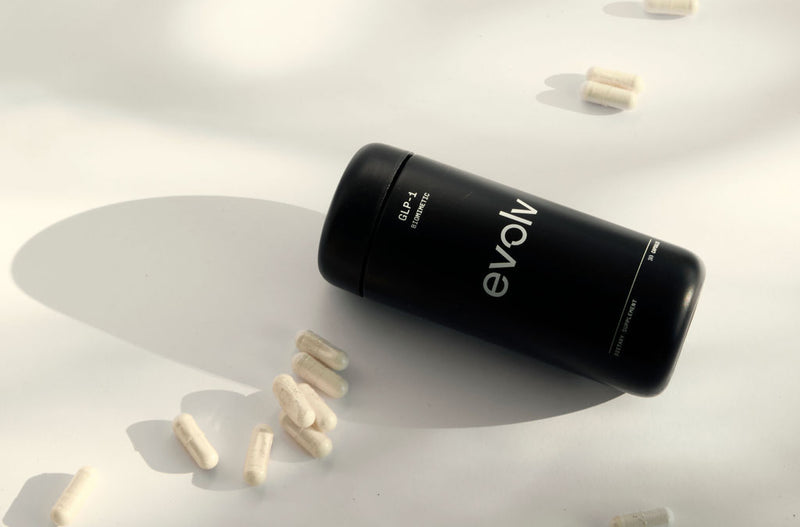
Evolv GLP-1 is one specific, high-strength biomimetic execution within that category.
Why Evolv GLP-1 stands out
- Uses a proprietary yeast-derived peptide to support natural GLP-1 pathway activation
- Designed for non-stimulant, sustained appetite regulation, not short-term suppression
- Formulated for daily use with an emphasis on tolerability and consistency
This illustrates how pathway-based supplements differ from fibers or stimulants: they work with appetite biology instead of masking hunger temporarily.
What Vitamins Suppress Appetite?
Vitamins don’t directly suppress appetite, but deficiencies can increase cravings.
- B vitamins: low levels can increase fatigue-related overeating
- Vitamin D: deficiency is linked to metabolic dysregulation
- Magnesium: supports glucose regulation and stress response
Correcting deficiencies can make appetite easier to manage, but vitamins alone don’t regulate hunger.
Do Appetite-Suppressing Supplements Actually Work?
Some do—when the mechanism matches the problem.
- Stimulants work briefly and fade
- Fibers reduce portion size mechanically
- Pathway-based options support real satiety signaling
Supplements that align with appetite biology tend to produce more consistent, usable results, especially when paired with normal eating habits.
Are Appetite-Suppressing Supplements Safe?
Safety depends on formulation and use.
- Fiber: bloating if introduced too quickly
- Stimulants: jitters, sleep disruption, tolerance
- Non-stimulant, pathway-based options: generally better tolerated
Anyone pregnant, breastfeeding, on medication, or managing medical conditions should consult a professional first.
How to Choose the Right Appetite Supplement
Use this filter:
- Clear mechanism (not vague promises)
- Transparent ingredients and dosages
- Non-stimulant for long-term use
- Evidence-aligned claims
- Designed for consistency, not spikes
Match fiber to meal size issues, blood sugar support to crashes, and GLP-1 pathway support to persistent hunger or food noise.
What Works Best for Long-Term Appetite Control
Short-term suppression rarely lasts.
Sustained appetite regulation comes from working with hormonal signaling, not overpowering it.
That’s why pathway-specific supplements—particularly GLP-1-focused biomimetics—represent the most practical evolution in appetite control for daily life.
FAQs
Can appetite supplements be taken with medications?
Some interact with blood sugar or mood medications. Always check with a provider.
How long do they take to work?
Fiber and stimulants act quickly. Pathway-based options build more meaningful effects with consistent use.
Will cravings return if I stop?
They can—especially if habits haven’t changed. Supplements work best alongside sustainable eating patterns.
Are these safe during pregnancy or breastfeeding?
Most are not recommended. Professional guidance is essential.