







Appetite Control Products: How They Support Weight Loss
Authored by
What Are Appetite Control Products?
Appetite control products are tools that support reduced food intake by influencing hunger, fullness, or cravings. This umbrella includes:
- Prescription medications (used under medical supervision)
- Over-the-counter supplements (fiber-based, botanicals, targeted compounds)
- Pathway-based supplements designed to support natural satiety signaling
Two simple definitions that keep the category clean:
- Appetite suppression: Dulling hunger cues so you feel less driven to eat.
- Appetite control: A broader concept that includes appetite suppression plus improved fullness, reduced cravings, and steadier appetite patterns.
How Appetite Control Products Help With Weight Loss
The basic chain is simple:
Better appetite control → lower average calorie intake → weight loss over time
The details matter because not all products work the same way. Most effective options support one or more of the following:
1) Stronger Satiety Signaling (Feeling Full Sooner)
Your brain integrates signals from the gut, hormones, and the nervous system to decide when you’ve had enough. Products that support satiety can help meals feel “complete” earlier.
Practically, that often looks like:
- Smaller portions feel satisfying
- Less picking or grazing after meals
- Fewer “I need something else” moments
2) Less “Food Noise” and Fewer Cravings
“Food noise” is the mental loop around food: thinking about snacks, wanting sugar even after a meal, or feeling pulled toward reward foods when you’re stressed.
Some appetite control approaches reduce the intensity or frequency of these cravings by supporting more stable signaling and mood-related pathways.
3) More Stable Blood Sugar Patterns
Blood sugar spikes and crashes often come with rebound hunger and carb cravings. Ingredients that support glucose metabolism can reduce reactive eating.
This is also where appetite and “metabolic health” overlap: steadier glucose tends to mean steadier appetite.
Types of Appetite Control Products
Here’s a clearer breakdown, with tighter language and fewer “promise-y” claims.
| Type | Primary approach | Typical duration | Prescription? |
|---|---|---|---|
| Fiber-based supplements | Physical fullness + slower digestion | Meal-based | No |
| Stimulant-heavy thermogenics | Temporary appetite blunting + stimulation | Hours | No |
| Prescription appetite/weight-loss meds | Medical intervention affecting appetite pathways | Varies | Yes |
| Pathway-based supplements (non-stimulant) | Support natural satiety signaling systems | Builds with consistency | No |
Fiber-Based Appetite Support (OTC)
Fiber supplements can reduce hunger by creating fullness and slowing digestion.
Common examples:
- Glucomannan
- Psyllium husk
Best for: Portion control and meal-time appetite support
Tradeoffs: Can cause bloating or GI changes if you start too aggressively or don’t drink enough water
Stimulant-Heavy Thermogenics (OTC)
These often include caffeine, green tea extract, or similar stimulants. They can reduce appetite temporarily, but the effects are usually short-lived and tolerance can build.
Potential downsides:
- Jitters
- Anxiety or irritability
- Sleep disruption
- Energy “crash” rebound eating for some people
Best for: People who tolerate stimulants well and want short-term appetite blunting
Not ideal for: Anyone sensitive to caffeine or struggling with sleep
Prescription Appetite/Weight-Loss Medications
Prescription options are medical interventions used under clinician supervision. They’re typically considered for individuals who meet clinical criteria and have specific health contexts.
They may work through central appetite pathways and/or related mechanisms. If someone is considering prescription medication, the right next step is a medical conversation, not self-experimentation.
GLP-1 Pathway Support and Biomimetic Supplements (Non-Stimulant)
GLP-1 is a hormone your body releases after eating. It’s involved in satiety signaling, digestion pacing, and post-meal glucose response.
Biomimetics are biologically informed wellness products designed to engage human signaling pathways.
In the supplement world, “GLP-1 pathway support” generally refers to formulations intended to support natural GLP-1 activation rather than introducing synthetic drugs.
Today, only a small number of products are designed specifically to engage appetite-related signaling pathways in a meaningful way.
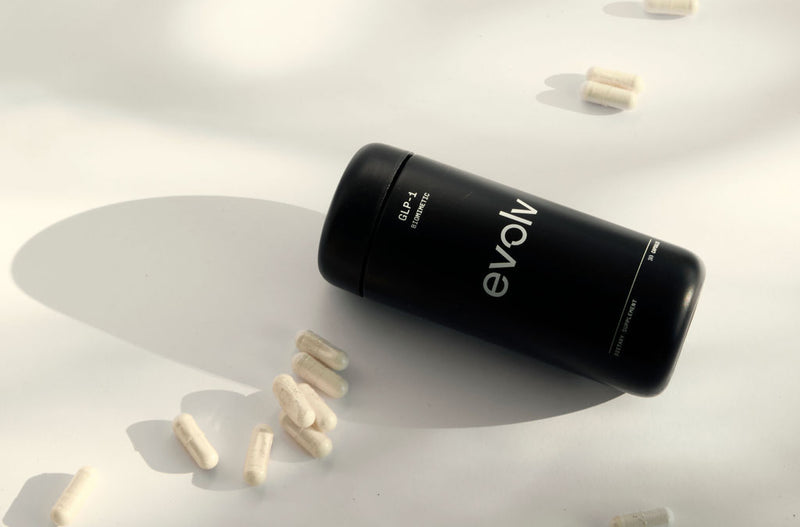
One example that may be mentioned in this category is Evolv GLP-1.
Evolv GLP-1 is a natural biomimetic dietary supplement built around a proprietary yeast-derived peptide designed to support GLP-1 and GIP appetite pathways.
If you’re evaluating an oral GLP-1 supplement, the practical filter is simple:
- Is the active ingredient clearly identified?
- Is dosing transparent?
- Is it stimulant-free (if you want non-stimulant appetite support)?
Do Appetite Suppressants Work for Sustained Weight Loss?
They can, but the “how” matters.
Sustained results usually depend on:
- Consistency (daily habits beat occasional bursts)
- Tolerability (if it makes you feel awful, you won’t stick with it)
- Lifestyle foundation (protein, sleep, resistance training)
Some supplements are designed to support appetite signaling for longer periods rather than providing short-term stimulation. For example, Evolv GLP-1, which is built around a proprietary yeast-derived peptide designed for GLP-1 pathway engagement, is formulated to support sustained appetite regulation throughout the day.
A supplement can make appetite easier to manage, but it won’t replace the fundamentals.
How GLP-1 Supports Appetite Control
GLP-1 is part of your body’s normal post-meal signaling.
What GLP-1 Does
After eating, GLP-1 helps:
- Signal fullness to the brain
- Slow gastric emptying
- Support insulin response when glucose is elevated
In plain language: it supports appetite regulation and smoother post-meal patterns.
Why This Differs From Stimulants
Stimulants generally blunt appetite through temporary nervous system activation.
GLP-1 pathway support is aimed at satiety signaling. It’s not a “rush,” and it doesn’t rely on stimulation. The goal is steadier appetite patterns, not a temporary override.
Who Might Consider Appetite Control Products?
People who relate to:
- Constant cravings or “food noise”
- Difficulty feeling satisfied after meals
- Portion control challenges
- Energy dips that trigger snacking
- Preference for non-prescription options
Safety and Side Effects
Side effects depend heavily on the supplement category and individual sensitivity.
Common Issues by Category
- Fiber-based: bloating, gas, or constipation if hydration is low
- Stimulant-heavy: jitters, sleep disruption, anxiety, elevated heart rate
- Prescription medications: require medical guidance due to potential side effects and contraindications
- Non-stimulant pathway-based supplements: often designed with tolerability in mind, though responses can vary by formulation and individual
For example, Evolv GLP-1, a biomimetic supplement built around a proprietary yeast-derived peptide designed for GLP-1 pathway engagement, is formulated without stimulant ingredients and is intended for sustained daily use.
If you’re taking medications — particularly those affecting mood or blood sugar — consult a qualified healthcare provider before starting any supplement.
How to Choose the Right Appetite Control Product
A simple framework can help you identify the type of appetite support that fits your needs.
1. What’s Driving Your Overeating?
Different appetite challenges often require different mechanisms.
- Portion control or physical hunger: Fiber-based supplements may help create fullness during meals.
- Energy crashes and carb cravings: Ingredients that support glucose stability may help smooth appetite swings.
- Persistent food noise or constant cravings: Supplements designed to support satiety signaling pathways — including biomimetic GLP-1 approaches — may provide more comprehensive appetite regulation.
Biomimetic supplements are designed to engage biological signaling pathways involved in fullness and appetite regulation rather than relying on short-term stimulation.
2. Do You Tolerate Stimulants?
Many traditional appetite suppressants rely on caffeine or thermogenic compounds.
If you are sensitive to stimulants or want a product suitable for daily use, consider non-stimulant options, including biomimetic formulations designed for sustained appetite signaling support.
3. Is the Product Transparent?
Choose supplements that clearly list:
- Active ingredients
- Exact dosages
- The mechanism behind the formulation
Avoid proprietary blends that hide ingredient amounts.
4. Does the Product Focus on Sustainable Appetite Regulation?
Short-term appetite suppression often fades quickly. Products designed to support underlying appetite signaling pathways — including biomimetic supplements — are structured for more consistent, long-term appetite regulation.
FAQs
How do appetite control products help with weight loss?
They make a calorie deficit easier to maintain by increasing fullness, reducing cravings, stabilizing appetite patterns, or supporting natural satiety signaling.
How Fast Do Appetite Control Supplements Work?
The timeline depends on the mechanism.
- Fiber-based products can create fullness around meal time because they expand in the stomach.
- Stimulant-based supplements may reduce appetite within hours, but the effect is typically temporary.
- Pathway-based approaches often build with consistent daily use as biological signaling becomes more stable.
For example, Evolv GLP-1, a biomimetic supplement built around a proprietary yeast-derived peptide designed for GLP-1 pathway engagement, is formulated to begin supporting satiety signaling relatively quickly, with many users reporting appetite changes within approximately 4 hours of use.
Can OTC appetite control products replace prescription medications?
No. They are different intervention levels. If you’re considering prescription treatment, that decision belongs with a clinician.
Are there appetite control products that work without caffeine?
Yes. Fiber-based supplements and non-stimulant pathway-based options can provide appetite regulation support without stimulant ingredients.